
19 July 2026
Choosing a Freelance Niche Without Boxing Yourself In
By Abhishek V K · Founder, DigitalItUp
The short answer
Choose a freelance niche by intersecting three things: work you can prove with samples or past projects, buyers who pay reliably, and a subject you can stand working on for a year. Niche the positioning, not the skill - 'websites for clinics' beats 'web developer' in outreach, but you can still quietly accept other work. Test a niche with 60–90 days of focused pitching before judging it; switching costs nothing but a headline.
Why does 'I do everything' get you nothing?
Because clients search for their problem, not your skill list. A dental clinic owner does not look for 'a versatile designer' - they look for someone who understands clinics. Niching is not about limiting what you can do; it is about giving one specific buyer a reason to pick you over ten generalists. The narrower the promise, the easier the marketing, the referrals, and the pricing.
The three-filter test
- Proof: can you show relevant work, even self-initiated samples?
- Money: does this audience routinely pay for outside help, and can they afford you?
- Stamina: will you still care about this subject in month ten?
- Bonus filter: do these buyers talk to each other? Referral-dense niches compound
Most bad niches fail the money filter - passionate audiences with no budget. Most abandoned niches fail the stamina filter. Run all three before committing your positioning to one.
The way to niche without boxing yourself in is to separate your public positioning from your private policy. Your website, portfolio headline, and outreach speak to one niche; your inbox stays open to anything interesting. Nobody audits you. Treat the niche as a 60–90 day experiment: focused pitching, a tailored portfolio page, then review the reply rate. A one-page portfolio built on the Aster portfolio template can be re-headlined for a new niche in an hour, which makes switching genuinely cheap. And because niche clients compare you to specialists rather than to the cheapest generalist, revisit your rates when you commit - the Charge More pricing guide covers how specialist positioning justifies specialist pricing.
Put this into practice
All products →The tools and templates behind this guide - instant download, yours forever.
 Ebook
EbookCharge More - The Freelance Pricing Guide
For freelancers who are underpricing and know it.
 Template
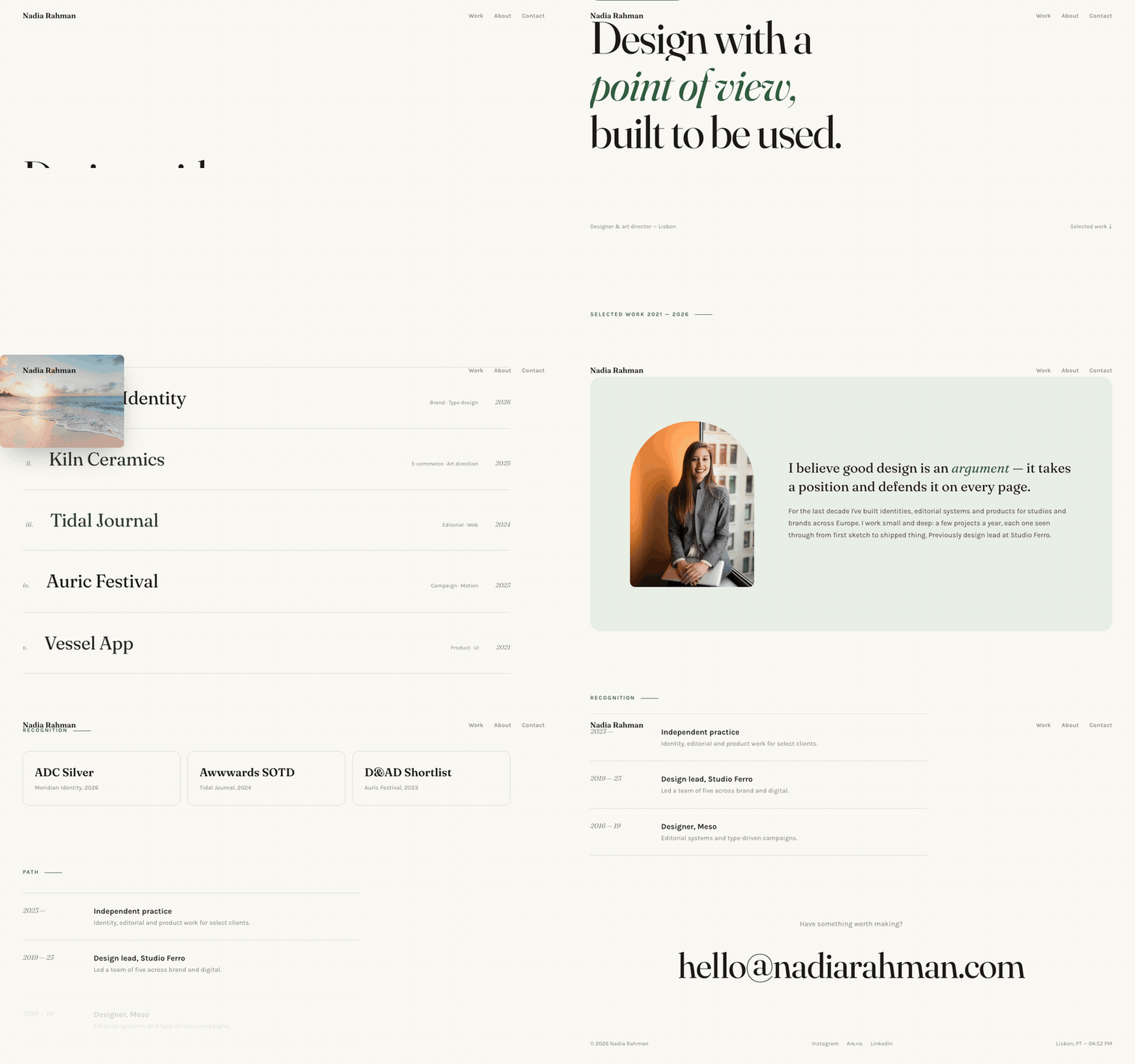
Aster - Editorial Portfolio Template
An editorial portfolio with cursor-following project previews.
 SoftwareBeta
QuietScribe (Beta)
Private meeting notes for Mac - transcripts, summaries and action points, processed on your Mac.